Scaling Healthcare Staffing Operations
Healthcare staffing agencies face a critical challenge: how to grow their workforce while maintaining the personal touch and efficiency that built their business. Manual shift notifications become impractical beyond a certain scale, and paper-based or spreadsheet-driven onboarding creates bottlenecks that slow growth.
the project
development in the detailsThe Scaling Challenge
Healthcare staffing agencies that rely on manual processes hit a wall as they grow. When you have 50 employees, a recruiter can thoughtfully match shifts to qualified workers. At 500 employees, that same personal attention becomes impossible. Shift alerts get generic, qualified employees miss opportunities, and facilities struggle to fill urgent needs. Meanwhile, onboarding new healthcare workers involves complex compliance requirements: background checks, medical licenses, facility-specific certifications, document signing, testing, and office visits. Coordinating these steps manually across multiple applicants creates delays and confusion.
Shift Matching That Actually Matches
The design rule was to automate the repetitive work and leave the judgment calls to recruiters. The platform sends targeted shift alerts based on employee specialties, certifications, location preferences, and work history. Instead of blasting every shift to every employee, the system identifies the most qualified candidates and notifies them immediately. For per diem work, traveling contracts, and local contracts, employees receive opportunities that actually match their profiles.
Onboarding and Compliance
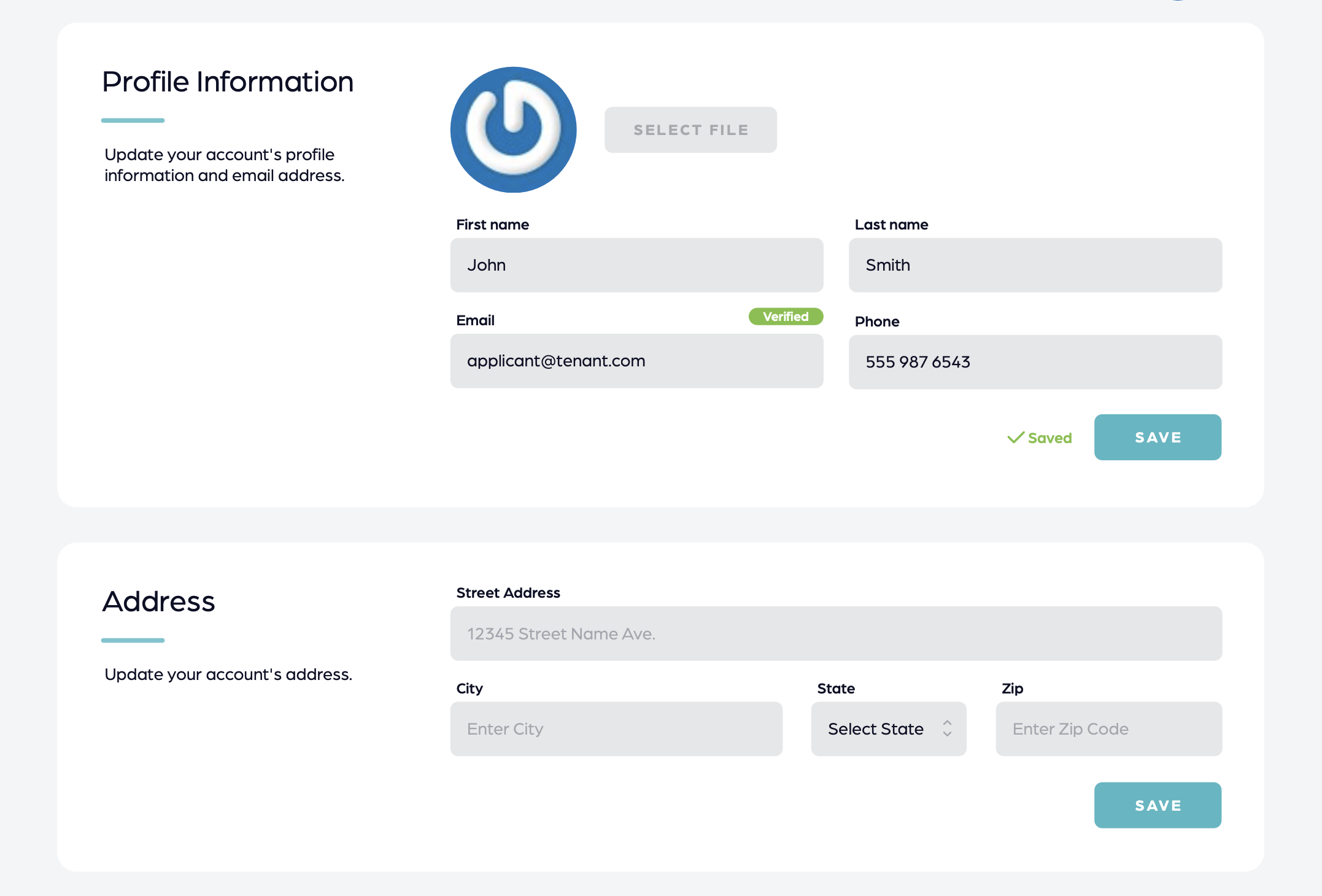
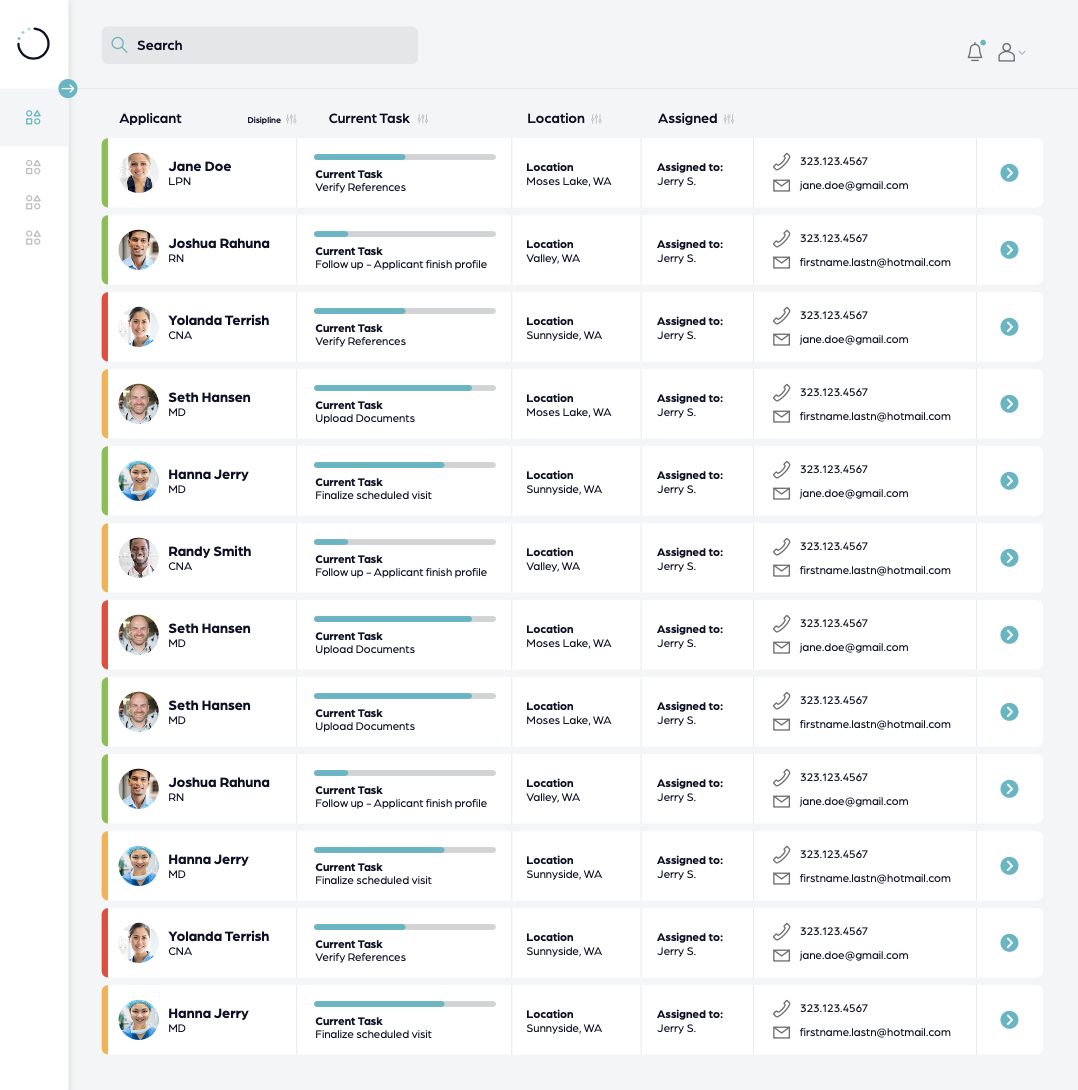
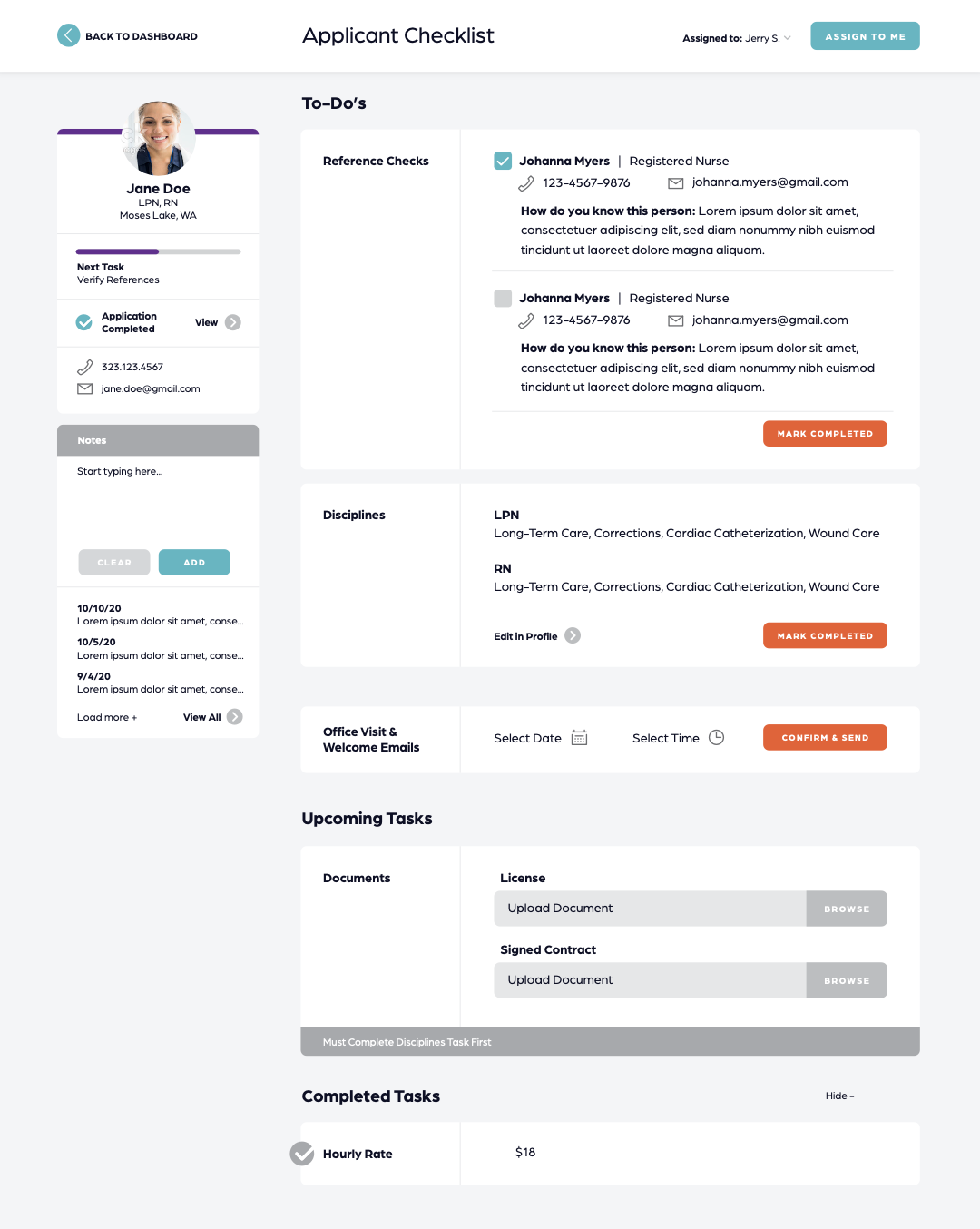
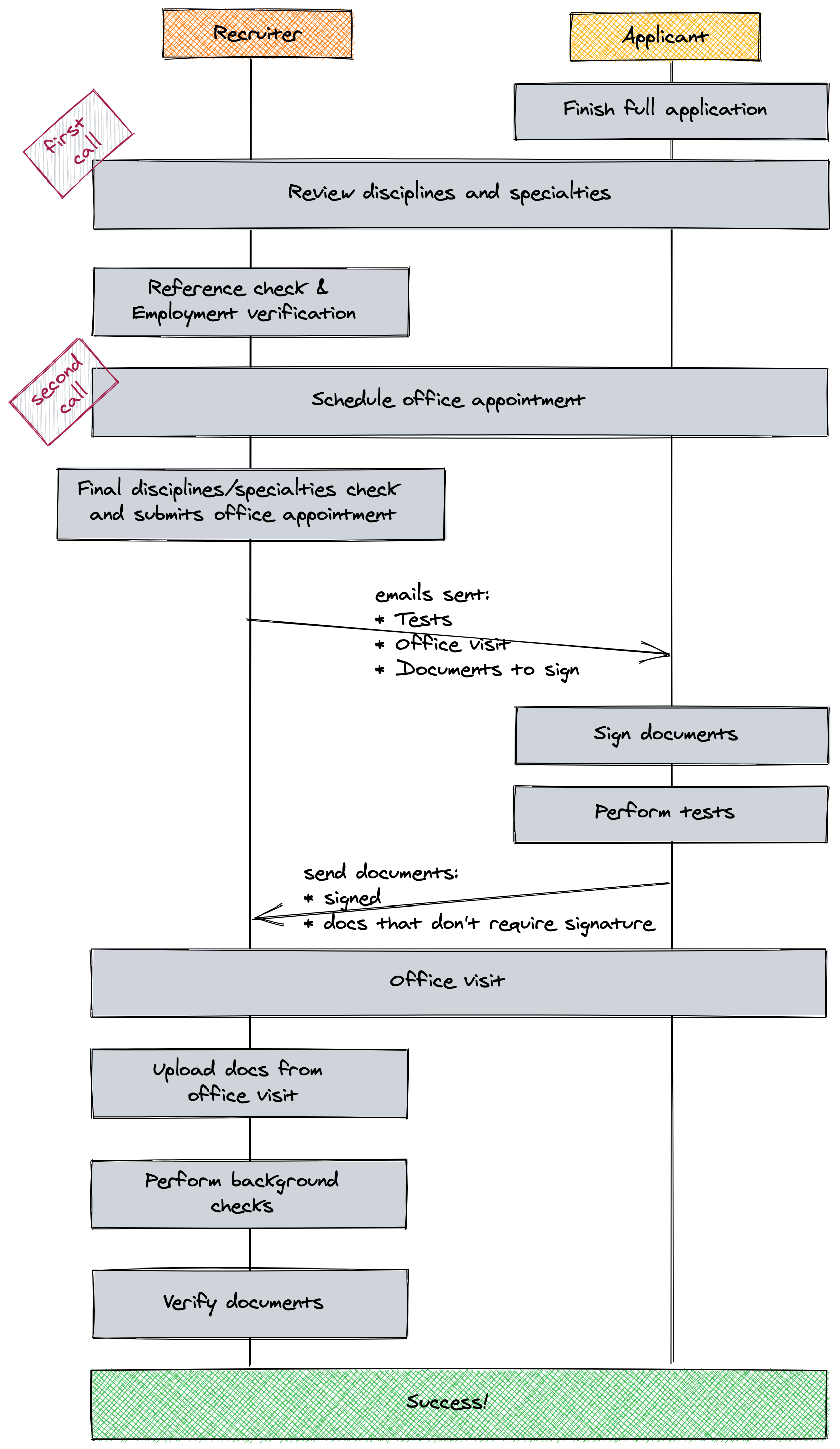
The onboarding workflow guides applicants through a progressive application process--starting with a quick form to capture interest and then deepening into a comprehensive profile as they move through the pipeline. The system automatically generates action item queues for employees ("Finish profile," "Sign documents," "Upload certification") and for recruiters ("Schedule office visit," "Verify references," "Send profile to facility"). Document management is split into required compliance documents that employees must maintain (licenses, certifications) and internal documents that the agency manages (background checks, annual reviews). Integration with testing platforms, digital signature services, and document storage ensures nothing falls through the cracks.
Multi-Tenancy for Multiple Agencies
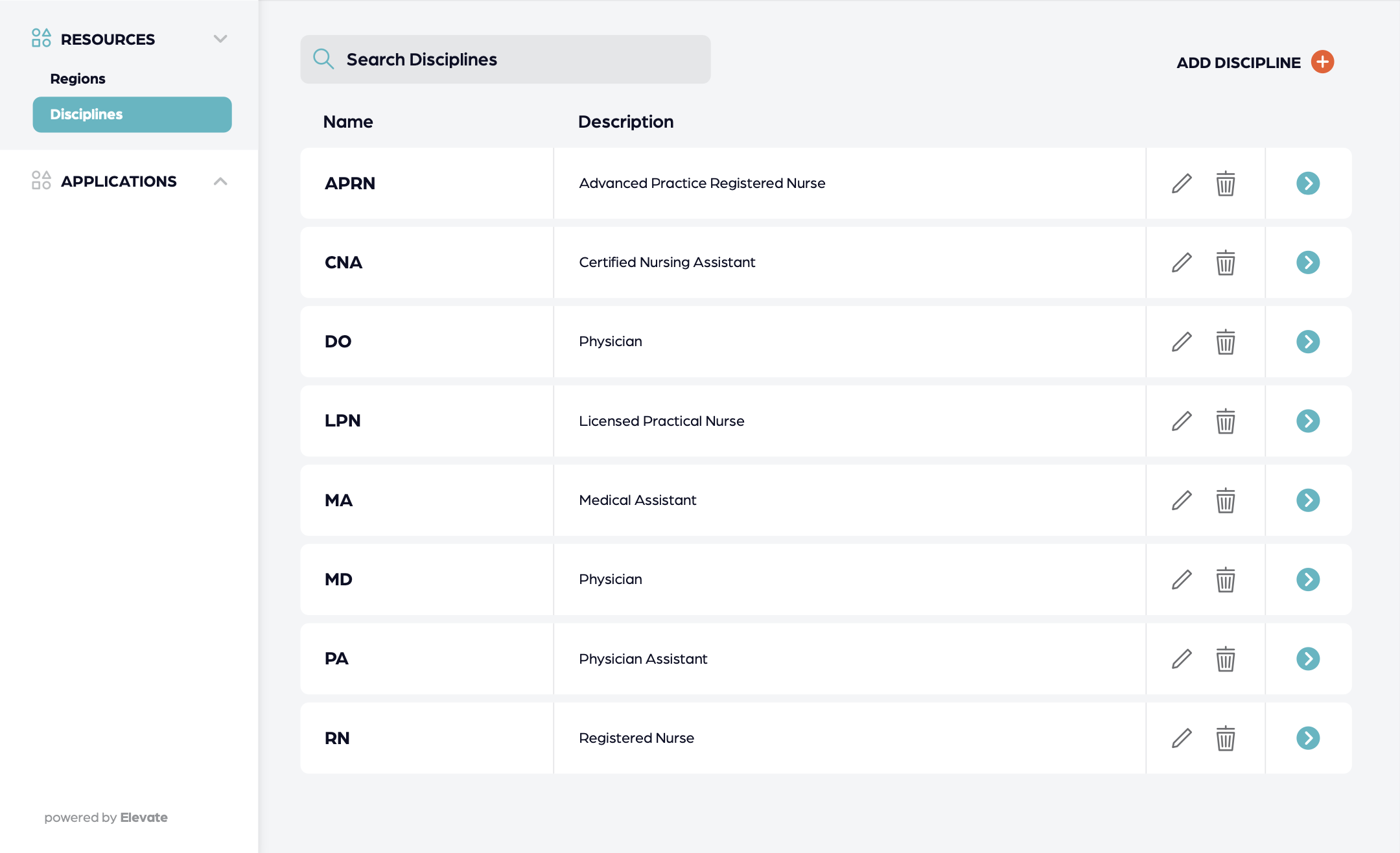
The platform is designed as a true multi-tenant SaaS product with each staffing agency operating in complete isolation using separate databases. This architecture provides enhanced security (no risk of data leakage between organizations), better performance (horizontal scaling), and portability (agencies can export their data or even move to on-premise deployments). The shared application codebase means all agencies benefit from ongoing improvements and new features without custom development costs. For agencies that want to license the system, this approach makes implementation straightforward and maintenance efficient.
The Path to 1000+ Employees
The goal is a workforce that can grow to a thousand employees and beyond without administrative staff growing at the same rate. Automated shift matching, compliance workflows, and clear queues for every role remove the bottlenecks that cap growth. Healthcare workers get shift opportunities matched to their skills, facilities fill shifts faster with qualified staff, and agency administrators spend their time on growth instead of spreadsheets and phone calls.
disciplines
- SaaS Product Development
- Custom API Development
- Technical Consulting & Support
- Multi-Tenant Applications
tools
- Laravel
- Livewire